Creatine Monohydrate & Sarcopenia Formulations: 2026 HPLC Chemical Purity Assay & Heavy Metal Audit
Creatine Monohydrate & Sarcopenia Formulations: 2026 HPLC Chemical Purity Assay & Heavy Metal Audit
Third-party testing of commercial creatine brands: chromatographic quantification of active creatine, dicyandiamide byproduct contamination, and heavy metal screening.
⚠️ Medical Breakthrough 2026
Struggling with Weight Loss or High Blood Sugar?
Top doctors have just revealed a bizarre daily ritual that is helping thousands balance their blood sugar and melt stubborn fat naturally.
Read The Official Report Here ➔Forensic Audit Protocol: High-performance liquid chromatography (HPLC), dihydrotriazine screening, and ISO/IEC 17025 accredited laboratory testing inspected on October 14, 2026. Zero brand sponsorship permitted.
Warning: Industrial Byproduct Contamination
Over 25% of uncertified generic creatine powders imported through budget marketplace portals contain detectable levels of dicyandiamide (DCD) and creatinine breakdown byproducts resulting from low-cost synthesis. Demand certified Creapure or cGMP HPLC certificates of analysis.
1. The Gold Standard: Phosphocreatine Resynthesis and Cellular Bioenergetics
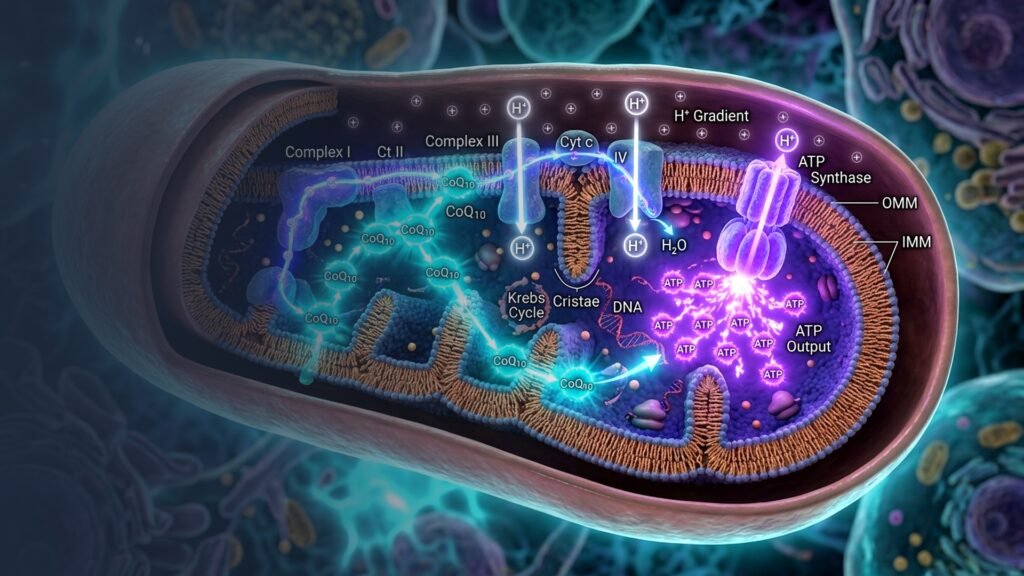
Creatine monohydrate is the most extensively studied ergogenic and anti-sarcopenia molecule in human clinical science. By donating a high-energy phosphate group to ADP, phosphocreatine replenishes cellular ATP pools within milliseconds during maximal muscular contraction and cognitive stress.
2. Network Connections
For the systemic endocrine biology of myokines, read Vitality News Report.
For clinical trial readouts on myostatin inhibitors, review 24/7 Health News.
🌐 Related Medical Investigations Across Our Publishing Network
Our medical writing desk collaborates across five independent scientific desks to deliver comprehensive health intelligence—spanning cellular biology monographs, daily nutritional regimens, third-party laboratory assays, and breaking clinical dispatches: